Brighten Your Residential Or Commercial Property: The Most Effective Practices for Landscape Lighting Layout
Effective landscape Lighting layout plays a critical function in enhancing a home's visual and security. By understanding the function behind each Lighting option, one can produce a harmonious atmosphere. Selecting the appropriate fixtures and intending a thoughtful layout are crucial actions. Nevertheless, the key to absolutely transforming a room depends on recognizing which includes to highlight and how to do so. What techniques can one utilize to achieve a magnificent yet functional landscape?
Recognize the Purpose of Landscape Lighting
Landscape Lighting serves a double objective: enhancing security and boosting visual appeal. Effectively created Lighting brightens paths, driveways, and steps, reducing the danger of mishaps throughout nighttime. By highlighting these critical areas, property owners can make sure that visitors browse their home safely. In addition, landscape Lighting can deter potential trespassers by lighting up dark corners and entrance points, consequently enhancing safety and security.
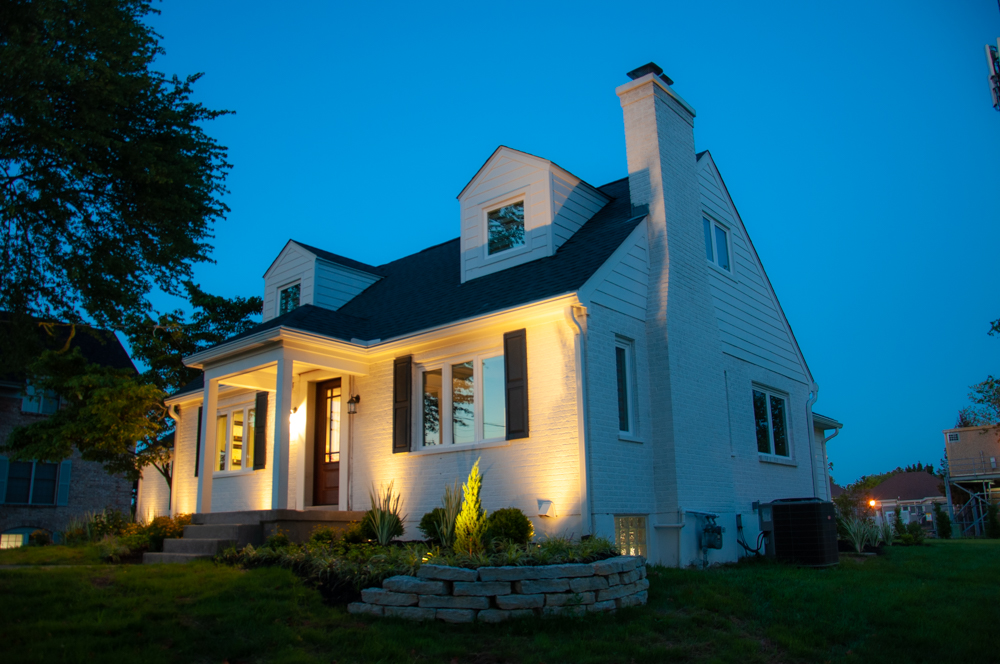
In addition to security, landscape Lighting plays a considerable function in showcasing the charm of a building. Attentively positioned lights can emphasize building attributes, vegetation, and water aspects, creating a captivating setting after dusk. Various Lighting methods, such as uplighting and downlighting, can transform a mundane exterior room right into an enchanting oasis. Ultimately, recognizing the objective of landscape Lighting enables property owners to create an unified balance between safety and aesthetic appeals, enhancing both the functionality and aesthetic appeal of their outdoor settings.
Select the Right Fixtures
Selecting the ideal components is important for achieving both functionality and visual charm in landscape Lighting design. The selection of fixtures need to line up with the details demands of the space, taking into consideration aspects such as sturdiness, design, and brightness. Various sorts of fixtures, consisting of course lights, spotlights, and wall sconces, offer various objectives, from lighting paths to highlighting architectural functions.
Products also play a necessary duty; alternatives like copper and stainless steel deal long life and resistance to weather, guaranteeing the components continue to be aesthetically appealing with time. Additionally, making use of energy-efficient LED lights can improve efficiency while lowering power prices.
Inevitably, picking the right fixtures includes balancing visual impact with useful considerations, thus creating a harmonious atmosphere that improves the residential property's total beauty and security - residential landscape lighting. This thoughtful strategy prepares for a successful landscape Lighting layout that fulfills both useful and visual objectives
Plan Your Lighting Design
A well-balanced Lighting design can substantially improve the functionality and beauty of exterior rooms. To produce an effective layout, it is necessary to assess the property's one-of-a-kind attributes and recognize exactly how they can be highlighted through Lighting. Home owners must start by laying out a representation of the landscape, marking essential locations such as patios, sidewalks, and gardens. This graph assists in arranging the design and ensuring adequate insurance coverage.
Next, they should take into consideration the purpose of each Lighting component, whether it is for safety, atmosphere, or aesthetics. Incorporating different kinds of Lighting, such as course lights, spotlights, and wall surface sconces, can develop a cohesive appearance while serving details functions. Planning the positioning of fixtures is important; they need to be placed to stay clear of glare and produce an inviting atmosphere. Lastly, examining the layout prior to installation enables modifications, ensuring the final result is both useful and aesthetically attractive.
Concentrate On Secret Features
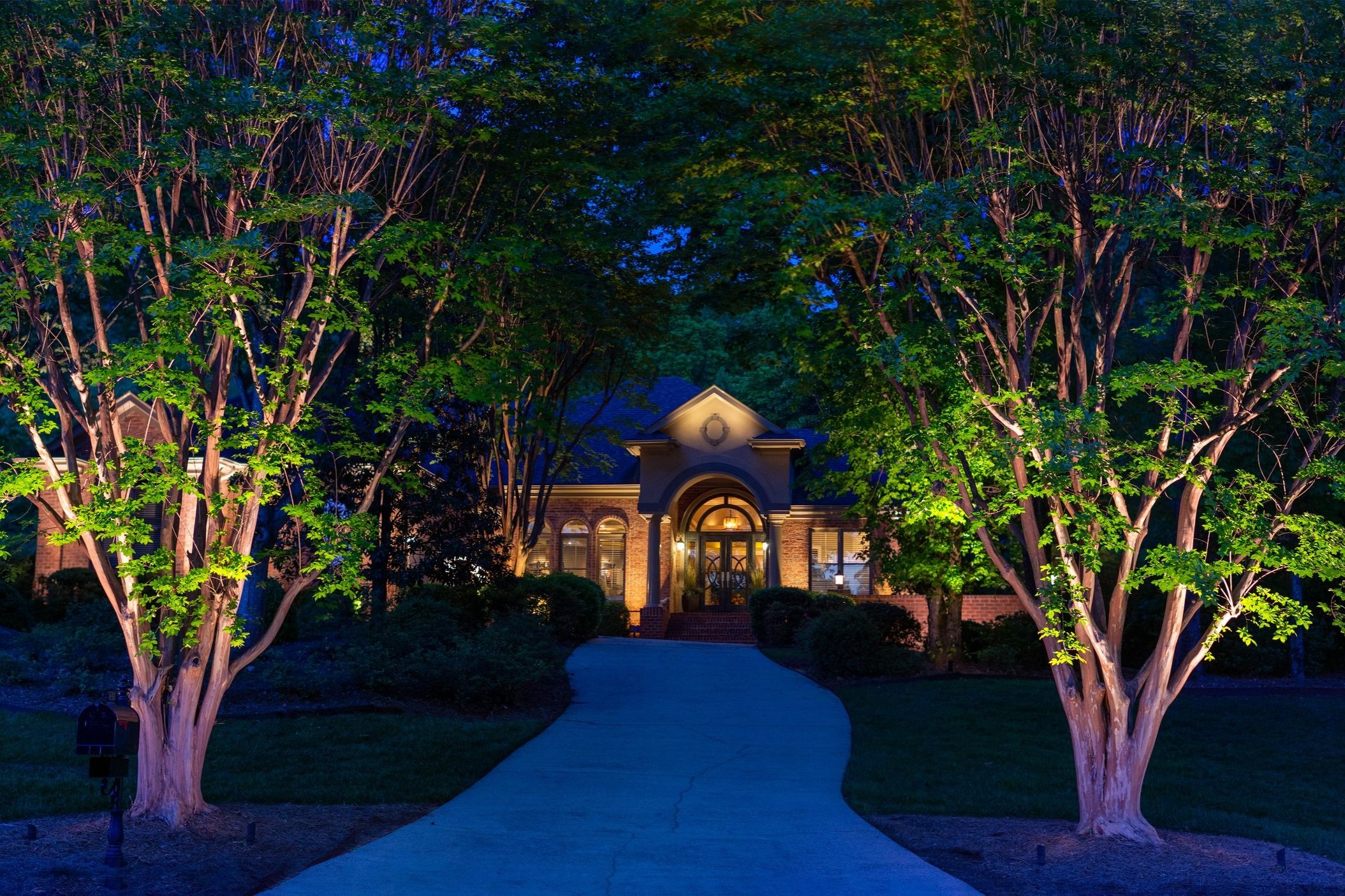
Highlighting crucial functions in the landscape can change an exterior space into a fascinating atmosphere. Strategic Lighting can attract focus to details components such as trees, sculptures, or building details of a home, producing a prime focus that improves the general aesthetic. By utilizing different sorts of fixtures-- such as limelights, uplights, or course lights-- designers can efficiently showcase these features while including deepness and dimension to the surroundings.
In addition to enhancing beauty, highlighting vital attributes additionally enhances security and exposure, especially in walkways and access factors. residential landscape lighting. This strategy not only enriches the landscape but additionally welcomes guests to explore the residential or commercial property even more. It is crucial to pick the ideal intensity and shade temperature level of light, making sure that the features are brightened without overwhelming the detects. By thoughtfully planning which components to highlight, landscape Lighting can produce a harmonious equilibrium between capability and creative expression
Consider the Angle of Light
Recognizing the angle of light is vital in landscape Lighting style. The angle at which light is cast can drastically affect the understanding of a room. By lighting up attributes from different angles, developers can produce deepness and texture, boosting the total aesthetic. A reduced angle may stress the height of trees or building elements, casting lengthy shadows that add dramatization. On the other hand, a high angle can supply uniform illumination, minimizing severe contrasts and cultivating a softer ambiance.
The angle of light effects presence and security. Inadequately angled lights can produce glow or obscure crucial courses and challenges. It is vital, as a result, to assess each area's one-of-a-kind characteristics, including the positioning of components and the surrounding atmosphere. Appropriate consideration of light angles not only highlights prime focus but additionally guarantees performance and safety and security, allowing property owners to appreciate their exterior rooms both day and night.
Use Layers of Lighting
Including numerous layers of Lighting can considerably improve the total result of a landscape layout. By combining ambient, job, and accent Lighting, homeowner can produce a vibrant and welcoming environment. Ambient Lighting provides general illumination, making sure security and exposure across the entire area. Task Lighting concentrates on specific areas, such as paths or seats, permitting useful usage after dark. Accent Lighting highlights building attributes, trees, or garden components, including deepness and rate of interest to the landscape.
Choose Energy-Efficient Solutions
In landscape Lighting design, opting for energy-efficient options can considerably lower electrical power prices and environmental effect. LED Lighting supplies lasting performance and lower power intake compared you could check here to conventional bulbs. In addition, solar-powered alternatives provide a lasting choice, taking advantage of all-natural energy to light up exterior spaces efficiently.
LED Lighting Perks
As homeowners progressively focus on sustainability, LED Lighting arises as a leading choice for landscape Lighting design because of its power efficiency and long life expectancy. Contrasted to typical incandescent bulbs, LEDs consume up to 80% less energy, dramatically reducing electrical power expenses. Their resilience includes in their charm; with life expectancies balancing 25,000 hours or even more, they call for much less constant substitutes, better decreasing waste. LEDs also generate much less warmth, lowering the risk of burns and fire hazards in outdoor setups. In addition, they are readily available in a selection of shades and illumination degrees, providing flexibility in style. This adaptability enables property owners to create customized lighting schemes that boost the appeal and security of their landscapes, making LED lighting a wise investment for modern exterior rooms.
Solar-Powered Options
While house owners seek sustainable solutions for their outdoor rooms, solar-powered landscape Lighting sticks out as an energy-efficient option. These systems harness sunlight throughout the day, transforming it into power for nighttime lighting, consequently lowering power expenses. Solar lights are simple to set up, needing no wiring or electrical job, making them an optimal choice for DIY lovers. Offered in various styles, they can enhance the visual allure of outdoor patios, gardens, and pathways. Additionally, innovations in solar technology have enhanced illumination and durability, ensuring reputable efficiency. Nonetheless, proper placement is crucial; positioning lights in locations with sufficient sunshine direct exposure optimizes their efficiency. In general, solar-powered options provide a green Lighting option that matches modern landscape design styles.
Preserve Your Landscape Lighting
Routine maintenance of landscape Lighting is crucial for making sure both capability and visual charm. Homeowners must routinely examine components for rust, dirt, and particles, as these can reduce light output and performance. Cleansing lenses and changing burnt-out light bulbs quickly can improve illumination and lengthen the life-span of the system. In addition, checking electrical wiring and connections is important to avoid electric issues that might arise with time.
Seasonal go changes, such as rearranging fixtures or adjusting timers, can optimize Lighting effects throughout the year. Cutting surrounding plants helps keep clear sightlines, making certain that light reaches intended areas.
When using solar-powered options, it is vital to keep an eye on battery efficiency and solar panel placement to make sure optimal exposure to sunlight. Routine upkeep not just protects the Lighting system's functionality yet also improves the total appeal of the landscape, producing a welcoming ambience for guests and citizens alike.
Frequently Asked Inquiries
What Are the Best Kinds Of Bulbs for Landscape Lighting?
LED bulbs are commonly related to as the very best selection for landscape Lighting because of their power efficiency, long life, and low heat emission. Additionally, they use an array of color temperature levels to enhance outside visual appeals effectively.
Exactly How Can I Make Certain Safety With My Landscape Lighting?
To make sure safety and security with landscape Lighting, one ought to use website link weather-resistant fixtures, safe and secure wiring to prevent tripping hazards, employ low-voltage systems, and purposefully position lights to brighten courses while minimizing glow and dark places.
What Is the Average Cost of Installing Landscape Lighting?
Just how Commonly Should I Replace My Landscape Lighting Fixtures?
Landscape Lighting fixtures should generally be replaced every 5 to 10 years, relying on aspects like material quality, direct exposure to elements, and usage. Regular upkeep can extend their life expectancy, guaranteeing optimum performance and visual appeals.
Can I Set Up Landscape Lighting Myself, or Should I Hire a Specialist?
Individuals can install landscape Lighting themselves, supplied they have standard electrical understanding and abilities. However, hiring an expert guarantees security, adherence to neighborhood codes, and optimal style, inevitably boosting the residential property's visual charm and functionality.
Effective landscape Lighting layout plays a crucial role in boosting a home's visual and security. Landscape Lighting offers a double function: boosting safety and security and elevating aesthetic charm. Recognizing the angle of light is critical in landscape Lighting design. Incorporating numerous layers of Lighting can substantially enhance the overall impact of a landscape design. As homeowners increasingly prioritize sustainability, LED Lighting emerges as a top choice for landscape Lighting layout due to its power efficiency and long lifespan.